
Practical legal analysis and guidance on doing business with China, written by our lawyers.

Three CAC instruments, a 2025 content-labeling measure and a draft AI law — the filing, security-assessment and labeling obligations a foreign company faces before deploying AI in China.

China has one of the world's largest BIT networks, but its consent to arbitration is not uniform — how ICSID accession, the Article 25(4) restriction and first- vs second-generation BITs shape a treaty claim.

China's franchise rules are franchisee-protective: a cooling-off right, rescission for false disclosure, and hard eligibility and filing duties — how termination, compensation and IP play out for a foreign franchisor.

A shipbuilding contract is a contract for work, not a sale — and Chinese maritime courts have a specialised claim for it. Where disputes land, how maritime liens and yard liens work, and what foreign owners should fix before keel-laying.

China's Civil Code and IP statutes let courts multiply damages for deliberate, serious infringement — up to five times in trademark, patent and copyright cases. The elements courts actually require.

A foreign divorce decree is not automatically effective in China — a Chinese court must recognise it first, and the recognition covers marital status, not property or custody. The procedure, materials and pitfalls.

China has no statute on litigation finance, courts have been cautious — one Shanghai decision voided a funding agreement on public-policy grounds — while CIETAC's 2024 arbitration rules now require disclosure.

A tax payment dispute cannot go to court until the tax and surcharges are paid or guaranteed and administrative reconsideration has run its course — the double precondition of Article 88 of the Tax Collection Administration Law.

China has no common-law attorney-client privilege, but the Lawyers Law and Criminal Procedure Law impose a statutory duty of confidentiality — with a narrow exception for serious crimes being prepared or committed.

China's 2021 Anti-Foreign Sanctions Law, the Blocking Rules and the Unreliable Entity List give Chinese courts and regulators tools to push back on extraterritorial sanctions. What a multinational must know to stay out of the crossfire.

A whistleblower report, a dawn raid or a frozen account rarely arrives with warning. How to run an internal investigation in China, what privilege does not protect, and how compliance-based non-prosecution works.

A foreign supplier that loses a Chinese government tender has a defined ladder of remedies: challenge, complaint, reconsideration and litigation. How the procedure works — and where contract disputes split off from judicial review.

Foreign investment in Chinese schools is tightly restricted: compulsory education is off-limits, and pre-school, high school and higher education require Chinese-foreign cooperative structures. What a foreign institution must know before entering.

Film, broadcasting, online audio-visual, games and music each carry their own licensing and content-approval rules. How foreign media and entertainment companies can navigate the patchwork.

A hotel management agreement in China is a mixed contract of management, brand licence and technical services. The clauses foreign hotel groups must get right, and the IP and dispute points.

When the directors or controllers of a Chinese company refuse to act, minority shareholders can sue in the company's name. How the 2024 Company Law sets up the derivative action, and what a foreign investor must show before filing.

China is now a leading forum for global SEP disputes — FRAND rate-setting, injunctions and anti-suit relief. What a foreign SEP holder or implementer must know before litigating in China.
A losing party has limited, statutory grounds to set aside or resist enforcement of a China award. The six-month deadline, the grounds under the Arbitration Law, and what actually succeeds.

A signed MOU is not a contract — but walking away after inducing real reliance can still cost you. How Articles 500 and 501 of the Civil Code turn a collapsed deal into a claim, and what a claimant can actually recover.

The general limitation period in China is three years — but interruption, suspension and special periods like the four-year rule for international sale-of-goods contracts change when the clock actually runs out.
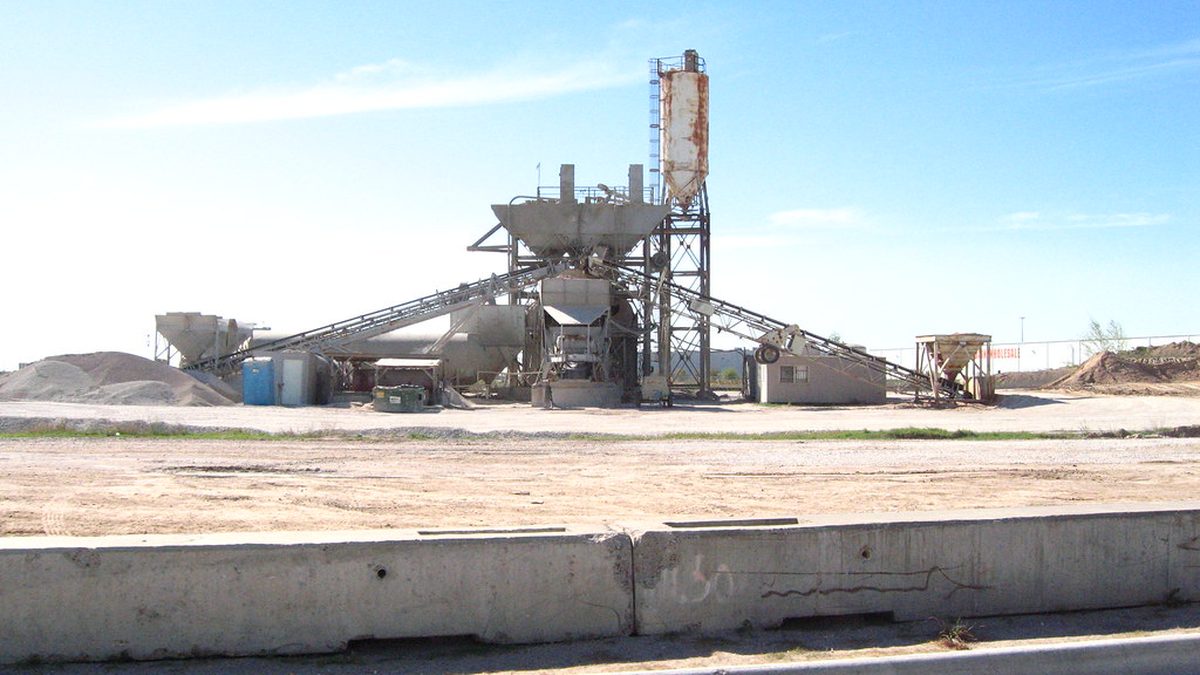
Entry through the negative list, production-sharing in oil and gas, and mining rights under the 2024 Mineral Resources Law — what a foreign investor or contractor must know before an energy or resources dispute in China.
Practical traps foreign buyers face at every stage — and how to guard against each one.
Our lawyers are happy to discuss your situation in a free initial consultation.